






























Key Takeaways:
-
Silk pillowcases naturally reduce friction, helping prevent hair breakage and sleep creases.
-
Excessive slipping often comes from artificial satin, poor fit, or slick bedding.
-
Choose 22-momme mulberry silk with a hidden zipper for better stability.
-
Proper silk care helps keep sensitive skin hydrated and pillowcases soft.
Waking up with your pillowcase halfway off, or feeling like your head slides around all night, is a common complaint after switching to silk sheets. Most of the time, there's a fixable cause behind it. Here's what's normal, what's not, and how to fix it.
Are Silk Pillowcases Slippery?
Yes, silk feels smoother than cotton because it has a lower-friction surface. That's not a flaw. It's the same trait that makes high quality mulberry silk gentle on hair and skin in the first place.
Cotton fibers grip and tug at hair and skin as you move at night. Silk fabric lets your hair and skin glide instead. Blissy's silk delivers up to 43% less friction than cotton pillowcases, which is part of why silk helps prevent sleep wrinkles and tangled hair compared to other fabrics.
There's a difference worth knowing:
-
Normal: Your hair and skin glide smoothly over the fabric.
-
Not normal: The whole pillowcase slides off, or your pillow won't stay put.
Plenty of people report this same feeling after switching, and just as many say they simply prefer cotton's grippier texture. That's a fair preference, not a problem to solve.
Quick facts:
-
Silk pillowcases typically range from 19 to 25 momme.
-
19 momme is lighter weight and more affordable.
-
22 to 25 momme offers more durability and sheen.
5 Ways to Stop Your Silk Pillowcase From Sliding Around
1. Confirm You Have Real Silk, Not a Synthetic Satin Pillowcase
Silk and satin aren't the same thing. Silk is a natural fiber. Satin is a weave, and a satin pillowcase can be made from silk, polyester, or other artificial fibers.
Satin is often made from petroleum-based compounds, which explains the plasticky, extra-slick feel and static some people notice, and there are important differences between satin and silk pillowcases when it comes to hair, skin, and temperature regulation.
Look for these markers before you buy from any silk pillowcase brand:
-
100% mulberry silk, not "silk-like" or blended fabric
-
19 momme or higher, ideally 22-momme weight
-
Grade 6A, the highest silk grade
-
OEKO-TEX Standard 100 certification, confirming the fabric is tested and safe
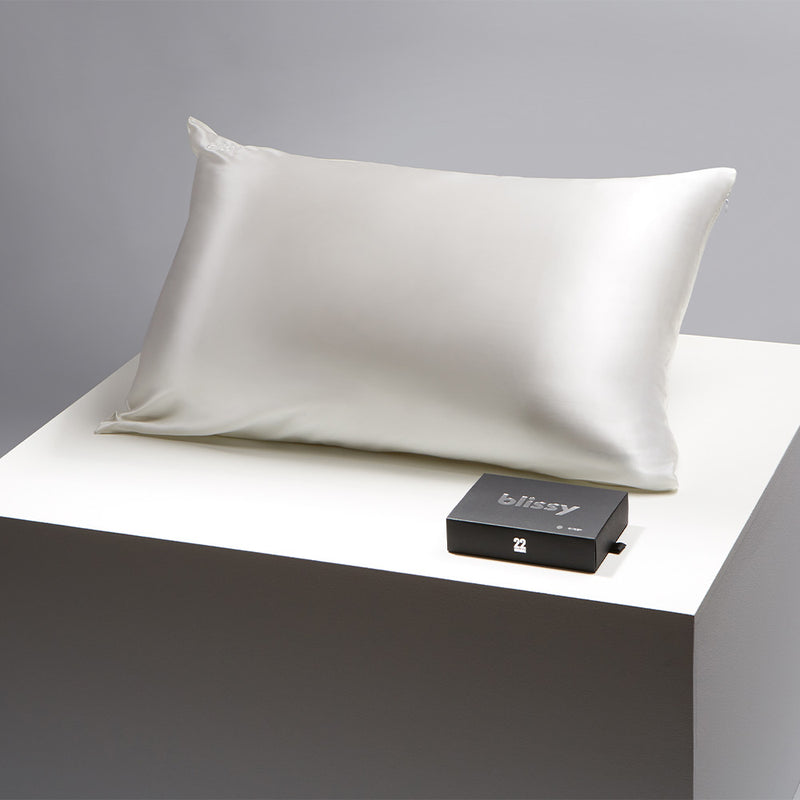
Blissy Pillowcases use 100% 22-momme, 6A-grade mulberry silk and are OEKO-TEX certified — a real benefit if you've been burned by lower-quality silk products before.
2. Choose a Pure Silk Pillowcase With a Zipper Closure
Sometimes it's not your head slipping on the silk. It's the whole pillow shifting inside the case.
Open-ended cases have less holding everything in place, so they move more. A hidden zipper closure keeps a pure silk pillowcase fitted snugly around the pillow all night. If you've tried other pillowcases with envelope closures and had the same sliding issue, the closure style is often the reason.
Quick fit check: Make sure the pillowcase size actually matches your pillow. Extra loose fabric bunches and shifts more than a properly fitted case.
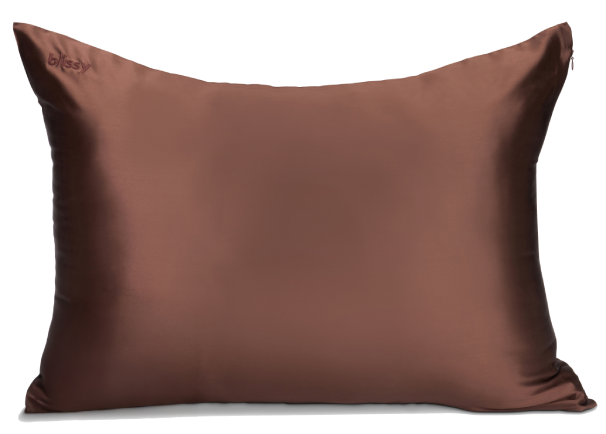
The main Blissy Pillowcase has a hidden zipper closure built in for this reason.

3. Wash With Cool Water and the Right Detergent
Washing silk the wrong way changes how it feels, sometimes making it feel slicker or rougher than it should.
-
Wash in cool or cold water on a gentle cycle, or hand wash
-
Use a gentle detergent made for silk, not regular laundry detergent — harsh detergents and high heat are common reasons silk becomes stiff or rough instead of staying soft
-
Skip fabric softener, which leaves residue that changes silk's texture
-
Never use hot water or high heat when drying; air dry or use low heat only
-
Store silk pillowcases away from direct sunlight to maintain quality between washes
Oil or skincare marks on your pillowcase usually wash out and aren't permanent stains, and machine washing on the right cycle won't damage high quality silk the way people assume.
Good Housekeeping's product testers found that Blissy's pillowcase kept its smooth feel even after repeated wash cycles. If you’re also weighing up complexion benefits, silk pillowcases vs cotton for clearer, smoother skin is another angle to consider beyond slipperiness alone. Full care instructions are available on our care guide.
4. Don't Assume Hair Static Is Due to Silk
Hair static usually comes from a mix of factors, not the silk itself:
-
Dry indoor air, especially in winter
-
Artificial fibers in your hair products or other bedding
-
Low-quality synthetic satin mislabeled as silk
Quick checklist:
-
Confirm the fabric is 100% mulberry silk
-
Review your washing routine (see #3)
-
Check your room's humidity
-
Rule out other fabrics nearby that may be the real source
5. Check Your Other Bedding and Your Pillow
-
Silk against very slick sheets creates more movement than silk against grippier cotton or linen sheets. A textured weave like twill underneath can add grip without giving up the silk surface against your face.
-
Adding a thin non-slip layer between the mattress and sheets can also help if the whole bed feels like it shifts, not just the pillowcase.
-
An undersized pillow inside a silk case has more room to shift.
-
Pillow loft matters if your head keeps sliding off.
-
Restless sleepers and stomach sleepers tend to notice the smooth surface more than back sleepers, regardless of hair type — straight hair, curly hair, and textured hair all glide differently but the fix is the same.
Try this: Pair your silk pillowcase with cotton or linen sheets for grip, while keeping silk against your face and hair.



Why Pure Silk Bedding Is Worth the Adjustment for Hair and Skin
Silk's low friction isn't a side effect. It's the entire point of pure silk pillowcases, and it's why the benefits go well beyond comfort, especially when you look at the overall quality and value of Blissy silk pillowcases.
-
Reduces tugging on hair strands, which helps prevent breakage and reduces frizz, unlike cotton, which grips and roughs up the hair shaft overnight
-
Reduces dragging on facial skin overnight, which helps prevent sleep wrinkles
-
Feels naturally temperature regulating, which matters if you tend to trap heat in cotton bedding
-
Absorbs less moisture than cotton, so skin stays hydrated and you may need significantly less face cream to compensate for what your pillowcase soaks up overnight — a key reason many people look for where to buy high-quality mulberry silk pillowcases when upgrading their bedding
In a 28-day clinical study by Kosmoscience, 94% of participants using a 22-momme mulberry silk pillowcase showed clinically visible improvement in skin smoothness compared to their skin before the trial. Board-certified dermatologist Dr. Dylan Greeney has said mulberry silk pillowcases help people "age gracefully by maintaining skin hydration and reducing friction."
Only genuine silk is naturally hypoallergenic and resistant to dust mites and other allergens; synthetic satin doesn't share this property. That's worth knowing if you have sensitive or acne-prone skin, since a smoother, non-absorbent surface means less product and bacteria buildup against your face. For anyone dealing with breakouts, some dermatologists also recommend changing pillowcases every one to two days.
Silk's unique tactile properties extend beyond the pillowcase, too. Silk scrunchies offer the same low-friction, moisture-retaining benefits for hair as part of a full beauty sleep routine, and the same is true of Blissy’s 22-momme mulberry silk pillowcases designed for better sleep, skin, and hair.

So, Are Silk Pillowcases Too Slippery?
For some people, yes. Silk is inherently smoother than cotton, and if you love that crisp, grippy feel, you might just prefer it.
But excessive sliding usually comes down to fixable factors: synthetic satin instead of real silk, poor fit, a missing zipper closure, incorrect washing, or slick bedding underneath.
A 22-momme, 6A-grade mulberry silk pillowcase with a hidden zipper closure solves most of these at once, and it's a great value for the real benefits you get in return.
With more than 250,000 five-star reviews, Blissy's silk pillowcase is one of the most reviewed in the category and is backed by dermatologist input and clinical testing on skin smoothness.
It's also priced competitively for what's otherwise considered a premium product, making it an affordable price point for high quality silk, especially if you’re looking at the Blissy 100% mulberry 22-momme silk pillowcase in standard, queen, or king sizes.


