
































Key Takeaways:
-
Seasonal allergies release histamine, triggering itchy skin, rashes, hives, and eczema.
-
Pollen exposure affects skin year-round, not just spring allergy season.
-
Avoiding allergens and moisturizing properly helps protect sensitive, irritated skin.
-
Antihistamines and hypoallergenic bedding reduce allergic skin reactions effectively.
Quick Answer: How Seasonal Allergies Cause Itchy Skin
Yes, seasonal allergies can cause itchy skin. Here's why:
When you breathe in allergens like pollen or ragweed pollen, your body reacts. Your immune system releases histamine. This makes your blood vessels swell. That causes inflammation, dryness, hives, and rashes. Many people with seasonal allergies get itchy skin, eczema, and contact dermatitis.
You can help your symptoms by:
-
Staying away from allergens
-
Using moisturizers without fragrance
-
Taking antihistamines
-
Sleeping on hypoallergenic bedding
Now let's look at what causes these problems and how to fix them.
Seasonal Allergies, Hay Fever, and Allergic Rhinitis
Most people think pollen just makes you sneeze. But pollen can also make your skin itch.
Seasonal allergies happen when your body overreacts to allergens. Allergens are things that trigger allergies. Common ones are pollen, pet dander, and mold spores.
Here's what happens inside your body: When allergens get in, your immune system releases histamine. This chemical makes blood vessels get bigger. That causes skin reactions like rashes, itching, swelling, and dryness.
That's why you might get itchy skin, eczema, hives, or raised bumps during allergy season. These skin problems stick around as long as allergens are in the air.
Allergy Season Isn’t Just Seasonal: Year-Round Triggers
Allergy season isn't just in spring. For many people, allergies last all year.
Most people think seasonal allergies only happen in spring. That's when flowers bloom and release pollen. But other seasons cause problems too. Allergy symptoms can start in early spring. They can keep going through other seasons.
When Different Allergens Peak
-
Spring: Trees make pollen
-
Summer: Grasses make pollen
-
Fall: Ragweed pollen fills the air
-
Winter: Cedar and evergreen trees make pollen
Where you live matters. What you're allergic to matters too. Your "seasonal" allergies might happen in several seasons. Some people have allergies all year. That means more skin reactions and other allergy symptoms.

Common Seasonal Allergy Triggers (Pollen, Ragweed, and Other Allergens)
Most seasonal allergies come from plants. Tree pollen, ragweed pollen, and grass allergens float in the air almost everywhere.
Pollen levels are highest in the morning. Rain washes pollen away. But it comes back fast after the rain stops. Warmer places have longer allergy seasons.
Plants That Cause Allergies
-
Ash
-
Bahia grass
-
Bermuda grass
-
Birch
-
Box elder
-
Johnson grass
-
Kentucky bluegrass
-
Maple
-
Mountain elder
-
Oak trees
-
Perennial rye
-
Redtop grasses
-
Ragweed (this causes hay fever and skin reactions like hives and eczema)
These allergens do more than make you sneeze. When pollen touches your skin, it can cause contact dermatitis. That's an itchy, red rash.
Allergy Symptoms That Affect the Skin and Body
Seasonal allergies can cause itchy skin, hives, rashes, and eczema. Your skin gets itchy because your immune system reacts to pollen, mold spores, and pet dander. This makes your body release histamine. Histamine causes inflammation, dryness, and rashes.Common Symptoms
-
Coughing
-
Sneezing
-
Runny nose
-
Red, watery eyes
-
Scratchy throat
-
Itchy eyes
-
Congestion
-
Fatigue
-
Itchy scalp and nose
These hay fever symptoms often happen with skin reactions.
Skin reactions to allergens: itchy skin, rashes, hives, and raised bumps
When allergens touch your skin, you can get contact dermatitis. This makes your skin itchy, red, and blistered where it touched the allergen.
Eczema and hives are skin conditions that get worse with allergens. Eczema is also called atopic dermatitis. Hives are also called urticaria.
Skin reactions from seasonal allergies can hurt. Scratching makes them worse. It can damage your skin or cause infection.

Common Skin Problems from Allergies
Allergies can cause these skin issues:
-
Dry skin
-
Scaly patches
-
Sensitive skin
-
Rashes all over
-
Hives and raised bumps
-
Itching and swelling
Weather changes can dry out your skin. That makes irritation worse. Keep irritated skin clean so it doesn't get infected.
Pro Tip: Don't scratch itchy spots. Scratching breaks your skin's protective layer. That can cause infection.
Very itchy skin with hives might mean you have atopic dermatitis. This is a type of eczema. It can damage your skin's surface. If you have weak or sensitive skin, know that seasonal allergies can affect your skin all year.
Treatment Options for Skin Allergies and Skin Problems
Many people use hydrocortisone cream for skin irritation. Some use products with beta hydroxy acids. Ask a dermatologist about these treatment options. Check products for harsh ingredients. They can make sensitive skin worse.

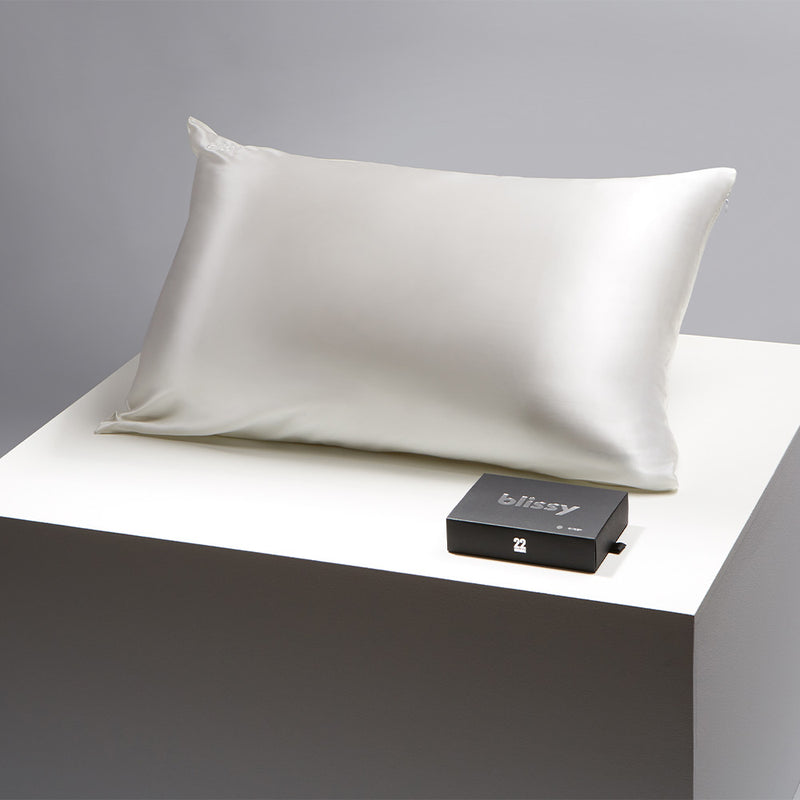


Use Hypoallergenic Silk Pillowcases to Help Avoid Triggers
The best way to stop allergic skin reactions is to avoid allergens. You can help your sensitive skin by removing allergens from your home. Your bedroom is especially important.
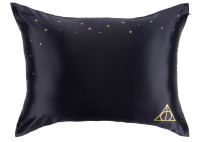
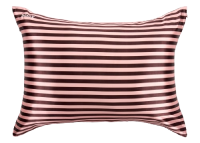
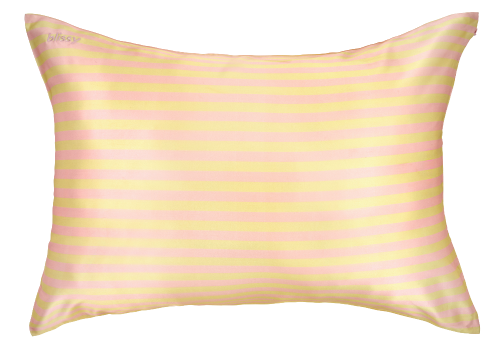
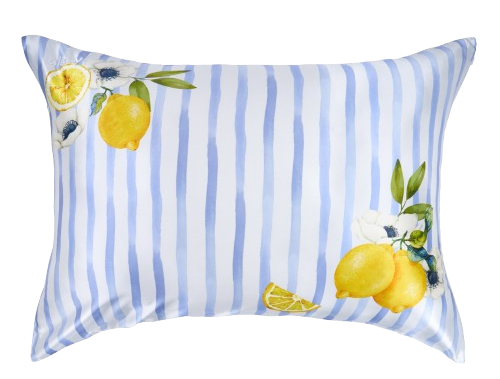
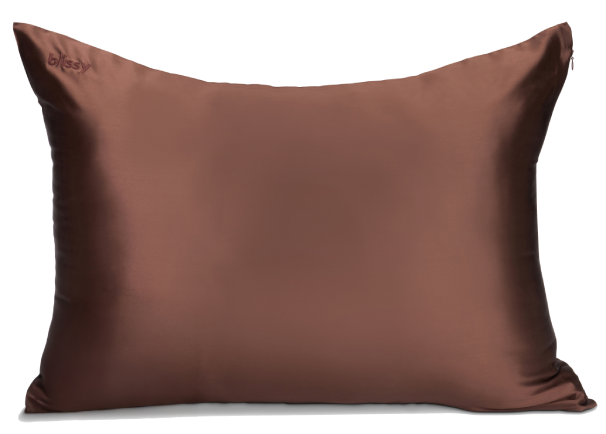
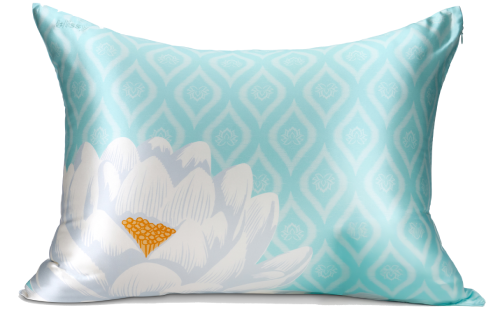
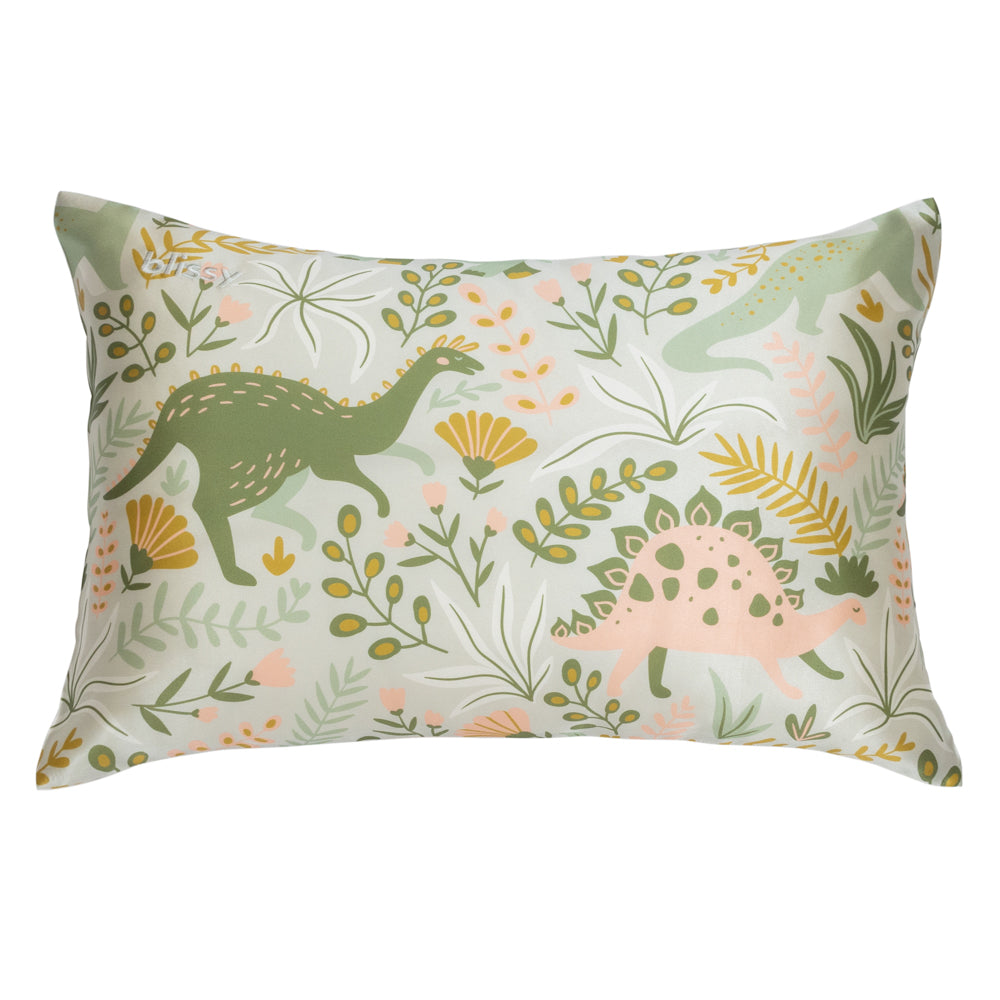
Blissy makes hypoallergenic pillowcases that keep dust mites away. Regular cotton pillowcases collect allergens. They hold dust, pollen, pet dander, mold, and dust mite waste. Blissy pillowcases push these allergens away.
Blissy has earned high praise from Good Housekeeping, Oprah Daily, Allure, Glamour, Vogue, and more. Over 250,000 five-star reviews confirm that customers love the difference silk makes.
We make our luxurious pillowcases from the finest naturally hypoallergenic mulberry silk. And don't forget to include a Blissy Sleep Mask in your nightly routine to soothe itchy eyes during allergy season.
Quick Fact: Use moisturizers without fragrance. Look for ones with ceramides or hyaluronic acid. They make your skin barrier stronger. They keep skin hydrated.

Treatments for Common Allergens During Allergy Season
Over-the-Counter Medicine You Can Buy
Nasal sprays help with runny noses and hay fever symptoms. You can buy antihistamines without a prescription. They reduce inflammation and help manage symptoms.
Prescription Medicine
If regular medicine doesn't work, your doctor might suggest:
-
Prescription nasal sprays
-
Leukotriene inhibitors
-
Allergy shots
-
Other medications for your specific triggers

Allergy Testing for Accurate Diagnosis
If you have bad skin conditions or symptoms that won't stop, get allergy testing. An allergist can do skin tests or blood tests. They'll look at your health history. This gives you an accurate diagnosis. Then they make a treatment plan just for you.
Write down your symptoms. This helps you see patterns. Your doctor might suggest allergen immunotherapy next.
Alternative Therapies and Other Treatments That May Provide Relief
Some people try other remedies for allergy symptoms. Research on these at-home treatments is mixed. But they might help:
-
Quercetin: This is in fruits and vegetables
-
Lactobacillus acidophilus: Good bacteria in yogurt
-
Spirulina: A type of algae
-
Vitamin C: May reduce inflammation
-
Butterbur: An herb
-
Acupuncture: Uses thin needles
Important: Talk to your doctor before trying other treatments. They can help you find the best course of action.
Seasonal Allergies Management: Medications, Avoiding Triggers, and Allergy Testing
During pollen season, stay away from allergens as much as you can. The less you're around irritants, the better. You'll have fewer allergic reactions and skin problems.
Keep Your Home Allergen-Free
Make your home as clean as possible:
-
Take off your clothes when you come inside
-
Shower right away when you get home to wash allergens off
-
Take baths with mild soap to help irritated skin
-
Sleep on hypoallergenic pillow covers like Blissy
-
Keep windows closed when pollen is high

More Tips for Managing Pollen Allergies
To avoid triggers:
-
Stay inside on windy, dry days
-
Go outside after it rains
-
Check pollen counts in your area
-
Don't mow grass or garden when pollen is high
-
Don't hang clothes outside
-
Wear a hat and sunglasses outside to stop skin reactions
-
Wear a face mask when pollen is high
-
Use air conditioning and clean your filters
-
Use a dehumidifier to stop mold spores
-
Put HEPA filters in your vacuum
-
Rinse your nose often
Keep windows closed in your home and car. This cuts down on allergens a lot. Do this especially in early spring.
Being Good to Yourself Is the Best Medicine During Allergy Season
Can seasonal allergies cause itchy skin? Yes. But you can manage your symptoms. You can protect your sensitive skin. Taking care of yourself helps a lot.
When you go to bed at night, think of it as healing time. This is when you soothe your skin. Make your bedroom calm. Help your skin recover from allergens.

Try Blissy silk pillowcases. It's naturally hypoallergenic. It's clinically tested. Dermatologists approve it. Your skin needs protection from irritants while you sleep. Blissy gives you comfort that really helps people with allergies.


