





























Key Takeaways:
-
Fake silk is usually polyester, rayon, or nylon that imitates real silk
-
Real silk has a shifting sheen; fake silk looks overly shiny or plasticky
-
Burn tests expose silk instantly: burnt hair smell vs melting plastic
-
OEKO-TEX labels and fiber transparency help ensure authentic silk purchases
Why "Silk" Isn't Always Pure Silk
That $12 "silk" item? It's probably not silk at all. Whether you're shopping for bedding, a scarf, or any silk products, knowing how to identify real silk helps you avoid wasting money and ensures you get the skin, hair, and comfort benefits only genuine silk provides.
The Fake Silk Problem
Fake silk has flooded the market, and the difference matters more than you think. Artificial silk (also called synthetic silk) is commonly made from polyester, rayon, or nylon.
Why Real Silk Is Worth It
Real silk is a premium fabric made from natural fibers, known for its luxurious feel and natural sheen. It's naturally hypoallergenic and resistant to dust mites and mold, making it perfect for people with allergies or sensitive skin. Real silk offers breathable comfort that benefits your skin and hair and maintains its luxurious feel for years.
Synthetic alternatives like polyester or satin blends trap heat, create a plastic-like shine, and break down quickly.
What You'll Learn
This guide will teach you how to identify real silk in under five minutes using:
- Simple visual cues
- Touch tests
- One definitive method that separates genuine silk products from fake alternatives every time
What Is Fake Silk, Exactly?

Fake silk, also known as synthetic silk or art silk, is made from man-made materials like polyester, nylon, or rayon. It's often sold as "art silk" or "faux silk" and is mostly made of synthetic or semi-synthetic fibers. These materials are created in factories using chemicals, not made by silkworms, and they don't breathe or have the natural protein structure that genuine silk has.
How to Spot Real Silk: The Labeling Trap
Watch for vague terms like:
-
"Silk satin" (satin is a weave, not a fiber)
-
"Silky" or "silk-like"
-
"Satin" without fiber content listed
Quick Fact: Satin can be made from real silk OR 100% polyester. The fabric label matters more than marketing copy.
Why Artificial Silk Feels "Off"
Synthetic silk:
-
Feels slippery (not smooth)
-
Creates static electricity
-
Traps heat instead of regulating temperature
-
Has a stiff, plastic-like drape
High-quality fake silk can look convincing at first glance, but it still lacks the unique, color-shifting iridescent quality that makes real silk special.
If a fabric feels clammy, clingy, or makes that swishy polyester sound, it's not real silk.
Silk vs Polyester: Key Differences
Polyester is the most common fake silk—it's cheap to produce and often marketed as "satin" to sound luxurious. Here's how to tell them apart.
The Quickest Test: Rub the fabric between your fingers. Polyester generates static electricity and feels slippery. Real silk has friction and won't create static.
|
Factor |
Real Silk |
Polyester |
|---|---|---|
|
Appearance |
Pearl-like sheen that shifts under light |
Flat, plastic-like shine that stays consistent |
|
Touch |
Cool initially, smooth with slight grip |
Slippery, static-prone, "swishy" sound |
|
Temperature |
Breathable, regulates heat |
Traps heat and moisture |
|
Water |
Absorbs moisture naturally |
Repels water, beads up on surface |
|
Durability |
Lasts years with care |
Pills and tears within months |
|
Price |
Starts around $50+ for pillowcases |
Usually under $25 |
Pro Tip: If a "silk" pillowcase costs under $25, it's almost certainly polyester satin. Real mulberry silk's labor-intensive production process means higher prices—but also superior quality and longevity.
How to Tell Authentic Silk from Rayon (Art Silk)
Rayon, often sold as "art silk," is trickier to spot than polyester because it's semi-synthetic—made from natural cellulose (wood pulp) but chemically processed. It mimics silk better than full synthetics, but still lacks silk's performance benefits.
Key Difference: Rayon absorbs water like natural fibers but doesn't breathe or regulate temperature like real silk.
|
Factor |
Real Silk |
Rayon (Art Silk) |
|---|---|---|
|
Origin |
Natural protein fiber from silkworms |
Semi-synthetic cellulose (wood pulp) |
|
Feel |
Smooth, cool to touch, slight grip |
Soft but slightly rough texture when rubbed |
|
Wrinkles |
Resists wrinkling naturally |
Wrinkles easily and deeply |
|
Water Test |
Absorbs gradually, maintains strength |
Absorbs quickly, weakens when wet |
|
Burn Test |
Smells like burnt hair, leaves brittle ash |
Smells like burning paper, gray ash |
|
Durability |
Strong when wet and dry |
Loses strength when wet, tears easily |
The Rayon Tests
- Wrinkle Test: Crumple the fabric in your hand for 5 seconds. Real silk springs back with minimal creasing. Rayon holds deep wrinkles that are hard to smooth out.
- Wet Strength Test: If you can test a small area, dampen it slightly. Rayon becomes noticeably weaker and almost fragile when wet, while silk maintains its strength.
- Burn Test: Rayon smells like burning paper (not plastic like polyester, not hair like silk) and leaves soft gray ash instead of hard beads or brittle residue.
Pro Tip: Rayon is often labeled as "viscose rayon" or "art silk." If you see these terms, it's not genuine silk—even though it may feel softer than polyester.
Marketing Language That Means "Not Real Silk"
Brands use clever wording to make synthetic fabrics sound luxurious. If you see these terms, you're looking at fake silk:
Red Flag Terms That Mean "Not Real Silk"
• "Silk-like" or "silky soft"
• "Silk touch" or "silk feel"
• "Satin finish" (without fiber content)
• "Silk essence" or "silk-infused"
The word "silk" alone means real silk. The word "silky" means "feels somewhat like silk but isn't." That one letter makes all the difference.
The Rule: Real silk says "100% silk" or "100% mulberry silk" on the label. Terms like "silky" describe texture, not fiber content—a polyester pillowcase can legally be called "silky soft."
Pro Tip: Scroll past the marketing copy and find the materials or care label. If it doesn't explicitly say "silk" as the fiber content, it's synthetic.

What Makes Real Silk… Real?
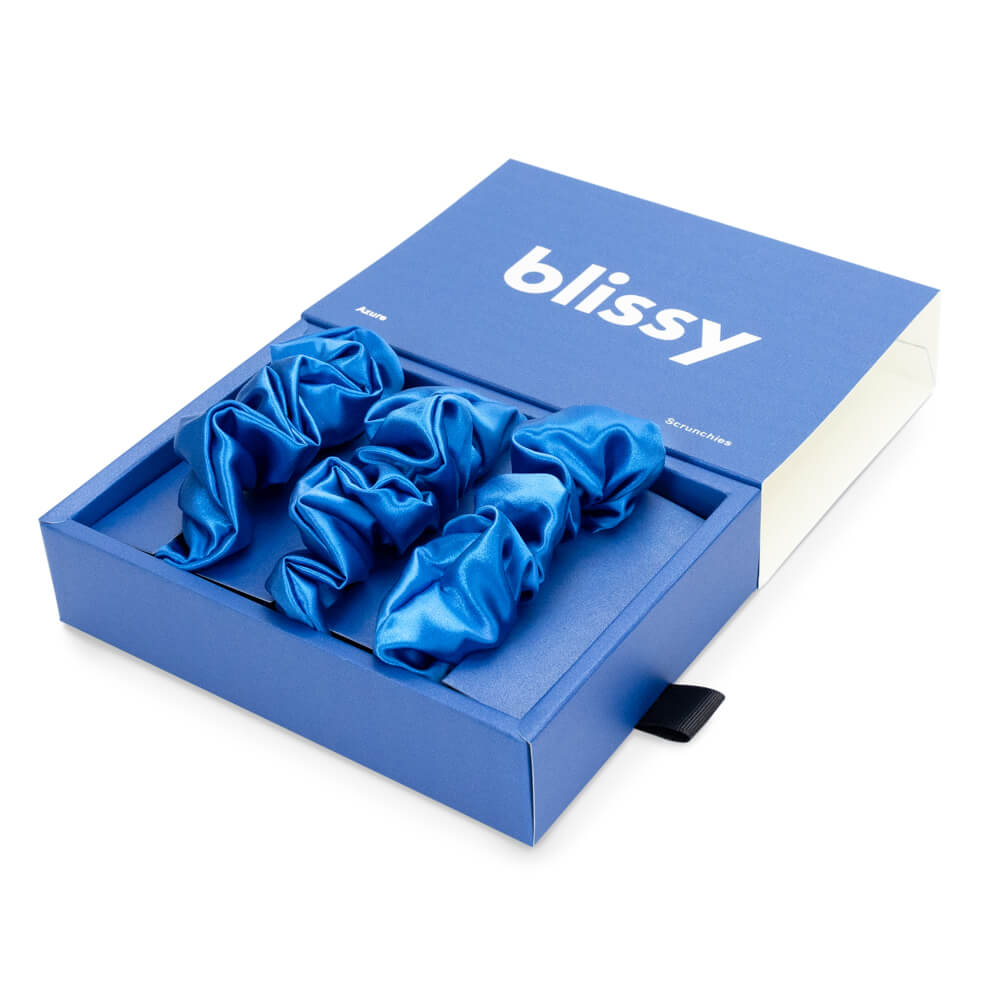
Real silk is a natural protein fiber made by silkworms. Its unique triangle-shaped protein structure bends light in a natural way, creating a soft sheen that changes when you look at it from different angles—something synthetic materials can't copy.



Hallmarks of Natural Silk:
-
Cool to the touch at first
-
Soft but holds its shape
-
Changing shine (not the same all over)
-
Naturally won't irritate sensitive skin

Real silk drapes beautifully and doesn't wrinkle easily when squeezed. Its natural strength and smooth texture make it perfect for high-end fashion and traditional garments, prized for centuries for its luxurious feel.
Pro Tip: Research shows that genuine silk reduces hair breakage by up to 43% and helps prevent wrinkles while you sleep.
Durability matters too. Quality silk products last for years when you take care of them right, while cheap synthetics get fuzzy and rip within months.
Further Reading:
Types of Silk (And Why Quality Varies)
Mulberry Silk (The Gold Standard)
Mulberry silk comes from special silkworms that only eat mulberry leaves, making the smoothest, highest-quality silk available. It's what the best silk pillowcases and bedding use because it feels incredibly soft and lasts longer.
Real silk breathes naturally, keeping you comfortable in both warm and cool weather—something synthetic silk can't do

Other Genuine Silk Types:
-
Tussar silk: Coarser texture, natural tan/gold tones
-
Eri silk (peace silk): Harvested without harming moths, less lustrous
-
Muga silk: Rare, golden, extremely durable
Remember: Satin ≠ Silk
Satin is a weaving technique, not a fiber. If the label just says "satin" without specifying "100% silk," you're looking at artificial silk—usually polyester.

5 Ways to Know If Silk Is Real (At Home)
1. Visual Inspection Test
Step 1: Hold the fabric under light.
Step 2: Tilt it slowly side to side.
Real silk:
-
Soft, pearl-like glow
-
Shine shifts as the fabric moves
Satin / fake silk:
-
Flat, uniform shine
-
Light looks plastic-like and doesn’t change
Rule of thumb:
Shifting glow = real silk.
Static shine = satin.

2. Touch & Feel Test
Touch the fabric, holding it between your fingers.
Real silk:
-
Cool at first, warms gradually
-
Smooth with a subtle, natural texture
-
Has slight resistance (doesn’t slip away)
Satin / fake silk:
-
Feels room-temperature
-
Very slippery and static-prone
-
Slides around like athletic fabric
Pro tip: If it feels too slick, it’s probably synthetic.
3. The Ring Test
This test works especially well for silk scarves.
Step 1: Use a standard ring (a wedding band works best).
Step 2: Gently pull the fabric through.
Real silk:
-
Slides through smoothly
-
Feels light, fluid, and flexible
Satin / fake silk:
-
Bunches up or resists
-
Feels stiffer or thicker
Rule of thumb:
Glides through the ring = real silk.
Catches or bunches = synthetic.

Note: This test works best with lightweight silk items like scarves—it won't work with heavier silk bedding or thick fabrics.
4. The Burn Test (Most Reliable Test)
Step 1: Pull a single thread from a seam.
Step 2: Using tweezers, briefly expose it to flame.
Real silk:
-
Burns slowly
-
Smells like burning hair
-
Leaves soft, brittle ash
Satin / fake silk:
-
Burns fast
-
Smells like plastic
-
Melts into hard beads
Safety note: Test outdoors, use tweezers, and burn one loose thread only.

5. The Water Test (Quick & Safe)
Step 1: Place a small drop of water on the fabric.
Real silk:
-
Absorbs the drop quickly
-
Darkens slightly, then dries evenly
Satin / fake silk:
-
Water beads up or rolls off
-
Little to no absorption
Rule of thumb:
Absorbs water = real silk.
Repels water = synthetic satin.

How to Identify Real Silk vs Fake Silk — Quick Comparison
|
Factor |
Real Silk |
Fake Silk |
|---|---|---|
|
Origin |
Natural silkworm protein |
Synthetic (polyester/rayon) |
|
Feel |
Cool-touch, smooth texture |
Slippery, static-prone |
|
Sheen |
Shifting luster |
Uniform plastic shine |
|
Breathability |
Highly breathable |
Heat-trapping |
|
Burn Test |
Burnt hair smell, brittle ash |
Burning plastic, melts |
|
Durability |
Years with good care |
Pills/tears quickly |
|
Appearance |
Multi-colored iridescent quality that shifts |
Flat, single-toned shine |

Why Authenticity Matters When Buying Silk
Price Red Flags
If a silk pillowcase costs $15, it's not silk. Real mulberry silk starts around $50 for smaller items. Look for momme weight (19–25 momme is high quality). If momme weight isn't listed, that's a warning sign.
Real silk costs more because making it is labor-intensive, but it's worth the investment for the comfort, durability, and natural beauty synthetic silk can't match.

Look for OEKO-TEX Certification
OEKO-TEX proves the fabric is free from harmful chemicals—important for silk items touching your skin for 8+ hours every night. This certification matters for sensitive skin and overall safety.

Smart Tips for Buying Silk Online
Before You Click "Buy," Check For:
-
✓ Fiber description: Genuine silk will always be labeled, often stating '100% pure mulberry silk.'
-
✓ Momme weight: Listed as 19–25 momme
-
✓ OEKO-TEX certification: Look for the badge
-
✓ Transparent details: Grade, care instructions, country of origin
-
✓ Return policy: Reputable sellers offer returns
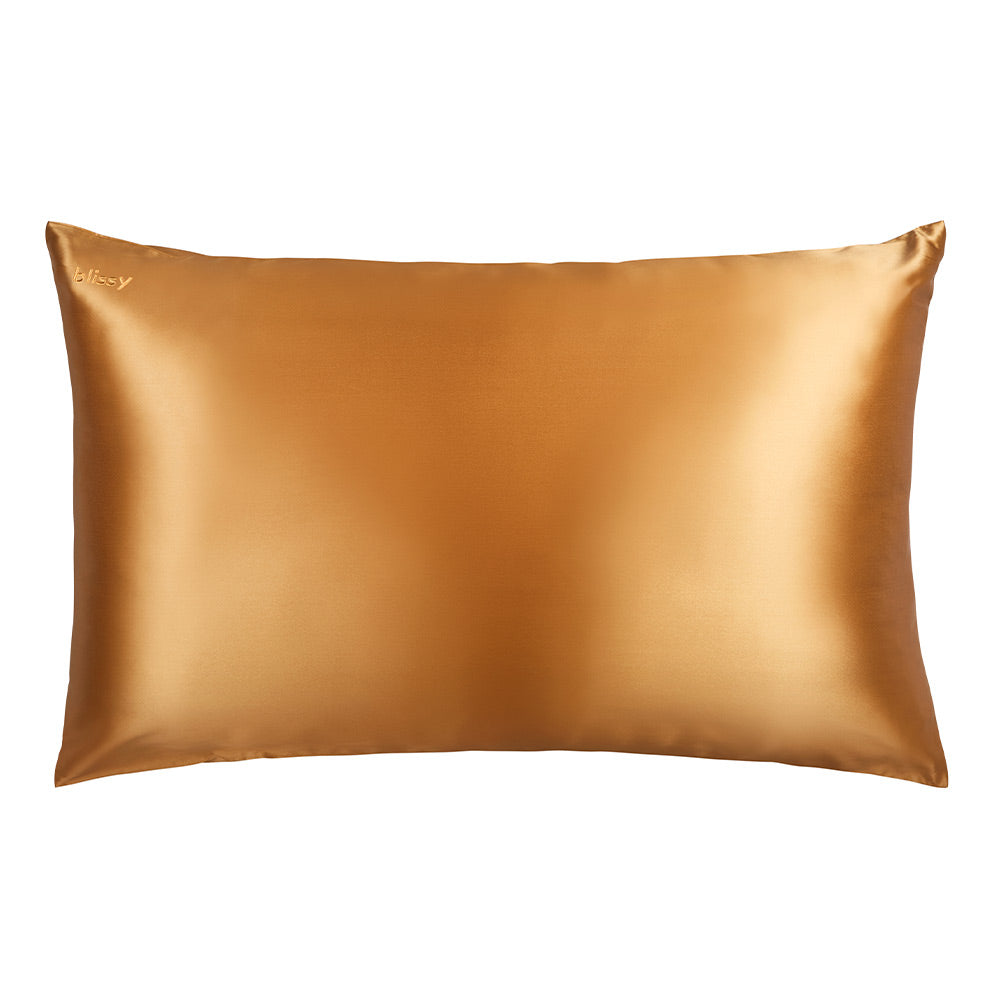


Buy from reputable retailers who are less likely to sell fake silk and often provide guarantees or certifications of authenticity. Look for products labeled as "100% pure mulberry silk" to ensure you're getting the real thing.
Quick Fact: Quality silk brands educate customers. If a brand hides what their product is made from, they're usually hiding synthetic materials.

The Bottom Line
Once you've learned these simple tests, spotting real silk becomes easy. You'll recognize fake silk right away—whether it's the flat shine, slippery feel, or suspiciously low price.
Genuine silk isn't just a luxury item—it's a smart buy for better sleep, healthier skin, and something that lasts. When you're ready to purchase silk products, look for brands that clearly list their details, have OEKO-TEX certification, and tell you the momme weight.
Frequently Asked Questions (FAQ) About Real Silk vs Fake Silk
Fake silk, also known as synthetic silk, is made from man-made materials like polyester, nylon, or rayon. It's often sold as "art silk" or "faux silk" and is primarily composed of synthetic or semi-synthetic fibers.


